
Dog Boarding And Dog Training Parkland Routine Building
Boarding Care With Training Practice
My Other Mommy Pet Sitting Services provides dog boarding and dog training in Parkland for owners who want supervised lodging combined with consistent practice of approved cues. Before arrival, the owner can document meals, medication, bathroom needs, sleep, exercise, crate habits, known cues, reward preferences, equipment, behavior goals, emergency contacts, and pickup authorization. A written plan helps the caregiver protect the dog’s routine and identify which training activities belong within the reserved stay.
Training requests should reflect the dog’s current experience rather than introduce unfamiliar methods without preparation. Owners can describe cue words, hand signals, release words, reward timing, distraction level, stress signs, handling limits, and behaviors that need professional attention. Vaccination records, veterinary details, identification, labeled belongings, and contact instructions should also be available. Clear expectations help the caregiver separate safe practice from behavior concerns that may require evaluation by a qualified trainer.
Call Now 561-305-5201
Boarding Routine Profile
A boarding routine profile records meal portions, medication, bathroom schedule, sleep habits, exercise needs, crate preferences, comfort items, and behavior around unfamiliar people or dogs. Owners can explain signals that show stress, fatigue, excitement, or the need for space. This information helps the caregiver maintain predictable daily care, choose appropriate practice times, and avoid asking for training work when the dog is hungry, overtired, unsettled, or adjusting within the unfamiliar temporary boarding environment each day.
Approved Cue List
An approved cue list identifies the exact words, hand signals, reward type, release word, and household rules the dog already knows. Owners can note which cues are reliable, still developing, or not ready for practice. Using consistent language reduces confusion and helps the caregiver reinforce familiar expectations during boarding without introducing commands, corrections, equipment, or methods that have not been carefully discussed, documented, and approved for the dog’s current skill level and individual training history.
Practice Session Notes
Practice session notes describe the setting, cue used, number of repetitions, reward, distractions, response, and point when the session ended. Short records help the owner see what the dog practiced and how behavior changed across the stay. They also allow the caregiver to separate ordinary boarding activity from planned training practice work, keep sessions brief, and stop when the dog shows fatigue, frustration, fear, overstimulation, or another sign that continuing would not support productive learning.
Progress Report
A progress report summarizes daily care, practice completed, cues reviewed, rewards used, behavior observations, belongings returned, and any recommendation for continued work. It should explain improvements without guaranteeing a lasting result because skills depend on repetition after the stay. A clear final handoff gives the owner practical information for maintaining the same cue language, reward timing, boundaries, and short practice routine at home while understanding which behaviors may still require guidance from a qualified trainer.
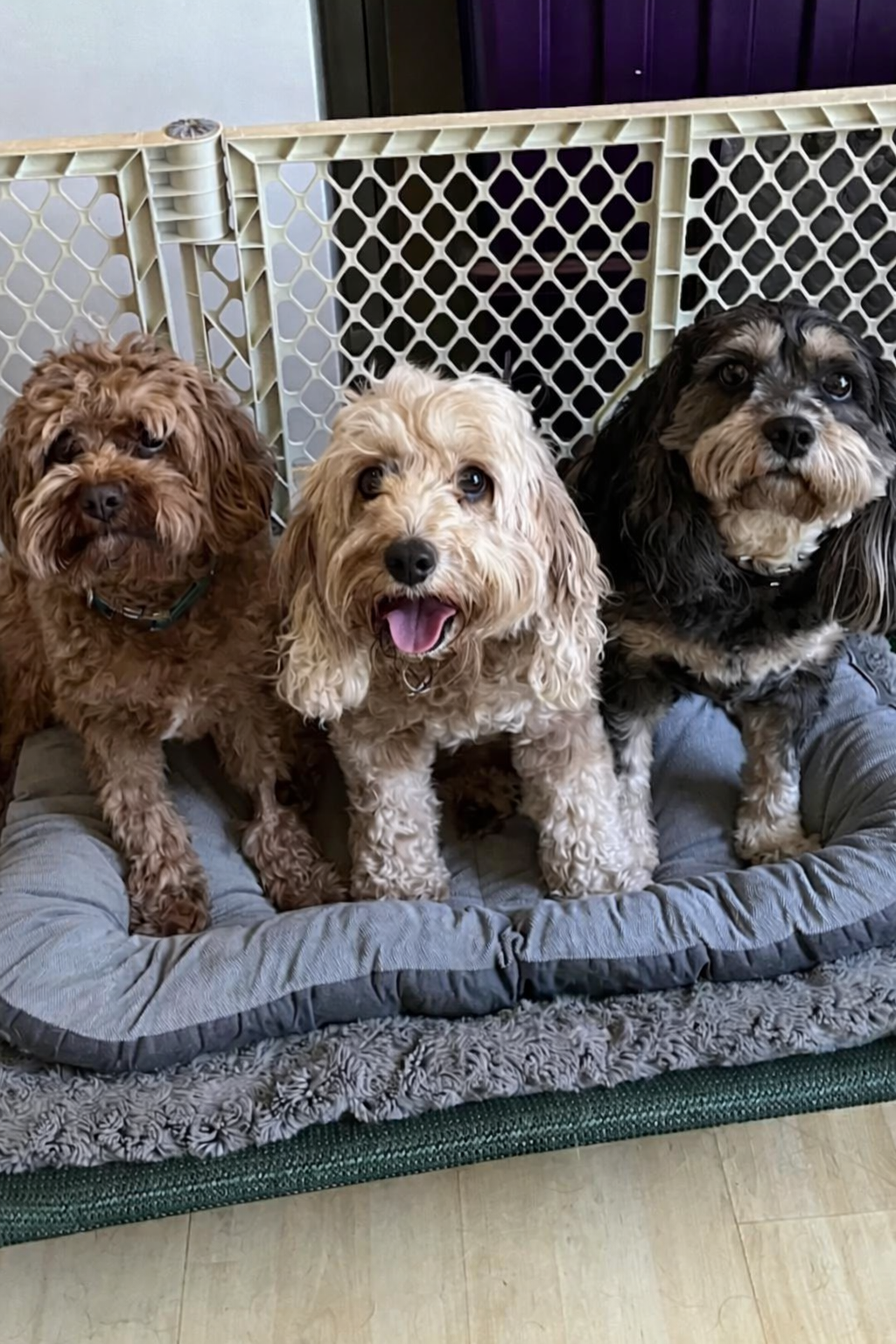
Consistent Care And Practical Skill Work
Boarding provides daily supervision, while training practice requires short, focused sessions that fit the dog’s energy and comfort. Meals, medication, bathroom breaks, rest, exercise, known cues, and safe equipment should shape the schedule. My Other Mommy Pet Sitting Services can review the routine, training notes, rewards, boundaries, contacts, and departure plan before check-in.
Owners may receive boarding updates and training notes as separate parts of the same report. Daily care details can cover food, medication, bathroom activity, sleep, exercise, and behavior. Practice notes can identify cues, repetitions, rewards, distractions, and response. If the dog becomes tired, fearful, overstimulated, or unable to continue safely, the caregiver can follow the approved plan and explain what changed.


Dog Boarding And Training Questions
Approved cues may be practiced during boarding when the method, equipment, rewards, session length, behavior goals, and dog’s comfort are confirmed beforehand.
Share exact cue words, hand signals, release words, known skills, developing behaviors, reward preferences, handling limits, and household rules.
Session length should match the dog’s attention, energy, stress level, known skills, environment, and the training plan confirmed for the stay.
New commands should only be introduced when explicitly included in the agreed service and supported by appropriate instruction, preparation, and safe handling.
Owners should list approved food rewards, toys, praise, restrictions, portion limits, allergies, and the timing normally used for reinforcement.
The caregiver can pause practice, follow the approved safety steps, document observations, and contact the owner when a behavior concern affects care.
Progress depends on continued practice, consistent cues, rewards, environment, and individual behavior; no single boarding stay can guarantee lasting results.
Call My Other Mommy Pet Sitting Services at 561-305-5201 to review boarding dates, known cues, behavior goals, equipment, routines, and availability.